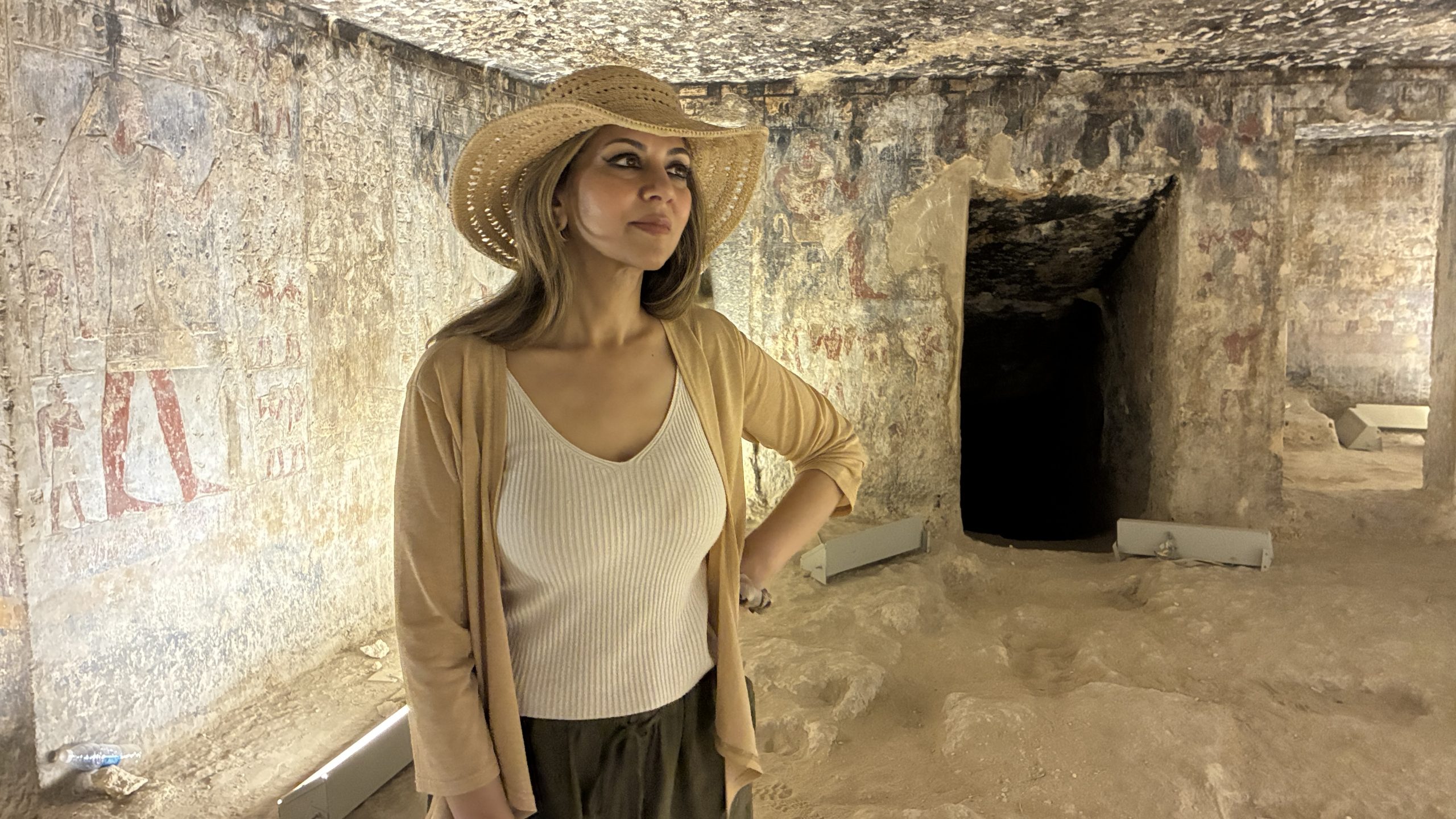
The tomb is located on the necropolis of Meir. Niankh-Pepy kem served as a high ranking official and Nomarch during the late Old Kingdom period, over 4000 years ago.
Biomedical Egyptologist, Author, Broadcaster
The tomb is located on the necropolis of Meir. Niankh-Pepy kem served as a high ranking official and Nomarch during the late Old Kingdom period, over 4000 years ago.
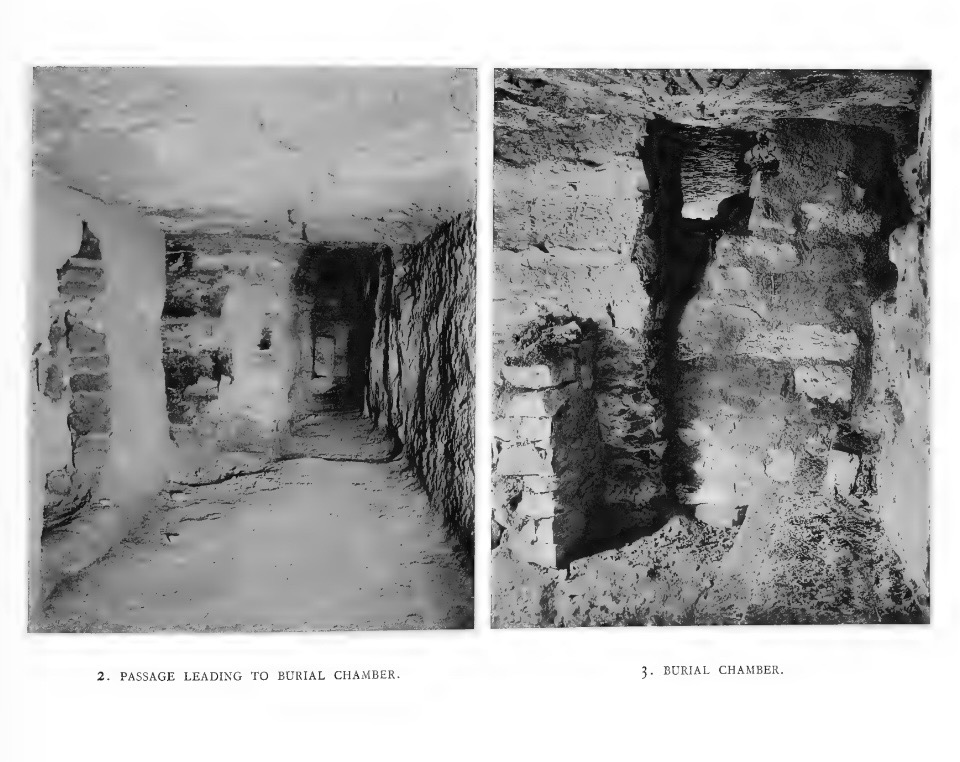
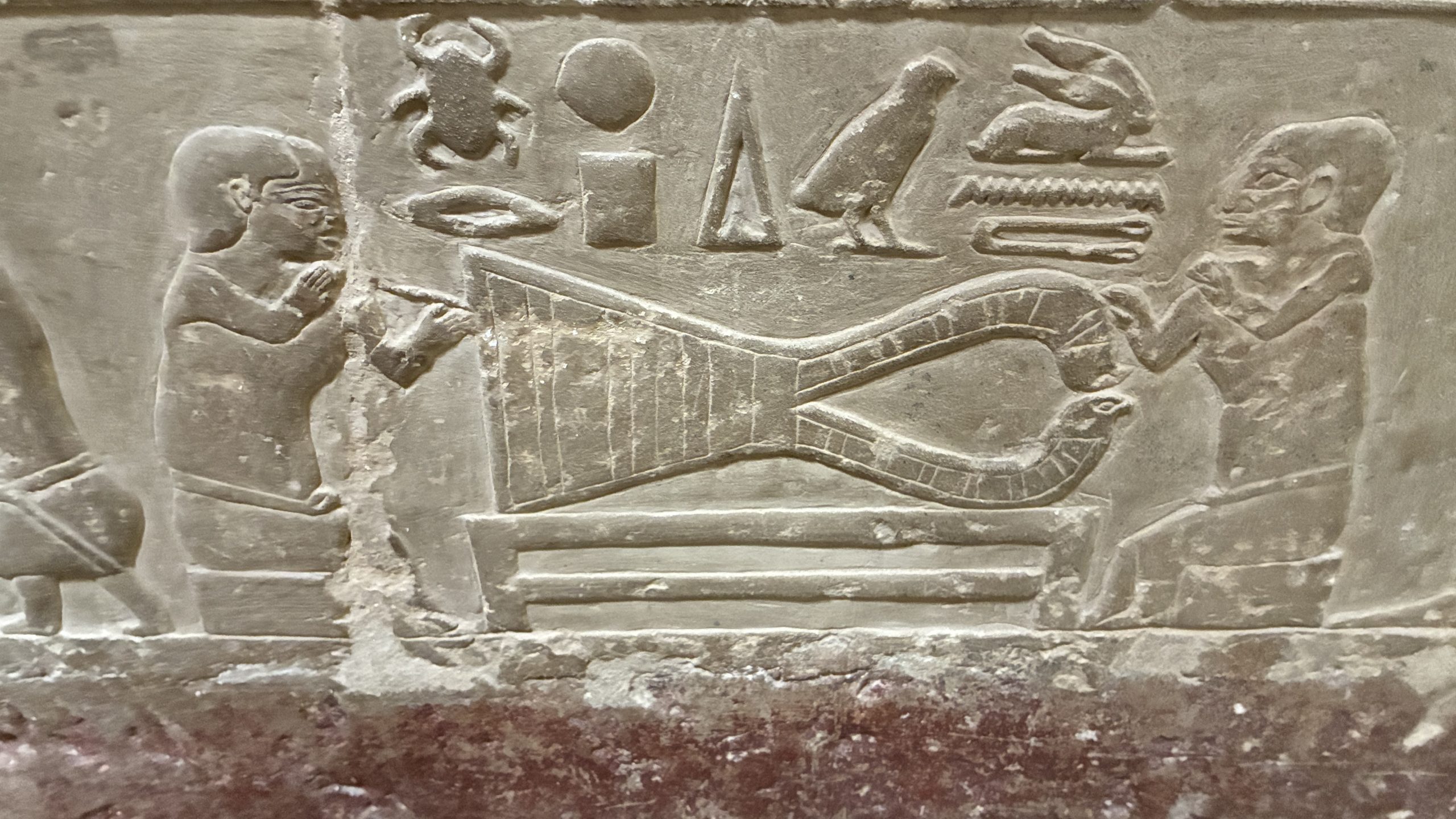
During the 1910 to 1912 seasons, Quibell’s team excavated the high ground above Abusir, an area filled with early mud brick mastabas. Most had been robbed in the Old Kingdom and preserved little decoration. One tomb proved exceptional. It was identified as the tomb of Hesy Ra, a high official of the early Third Dynasty who held several important titles, including Chief of Dentists and Physicians and Overseer of the Royal Scribes.
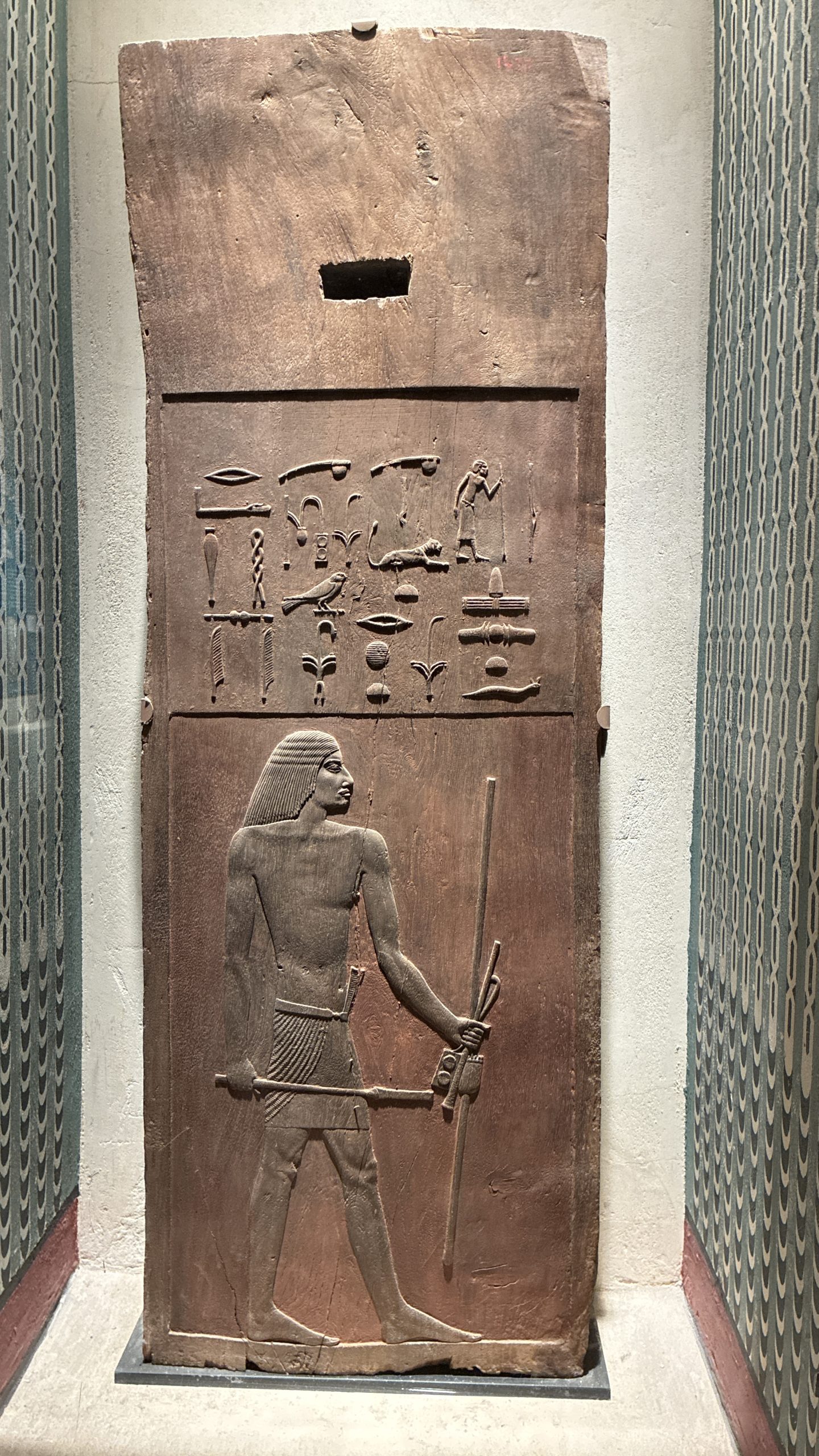
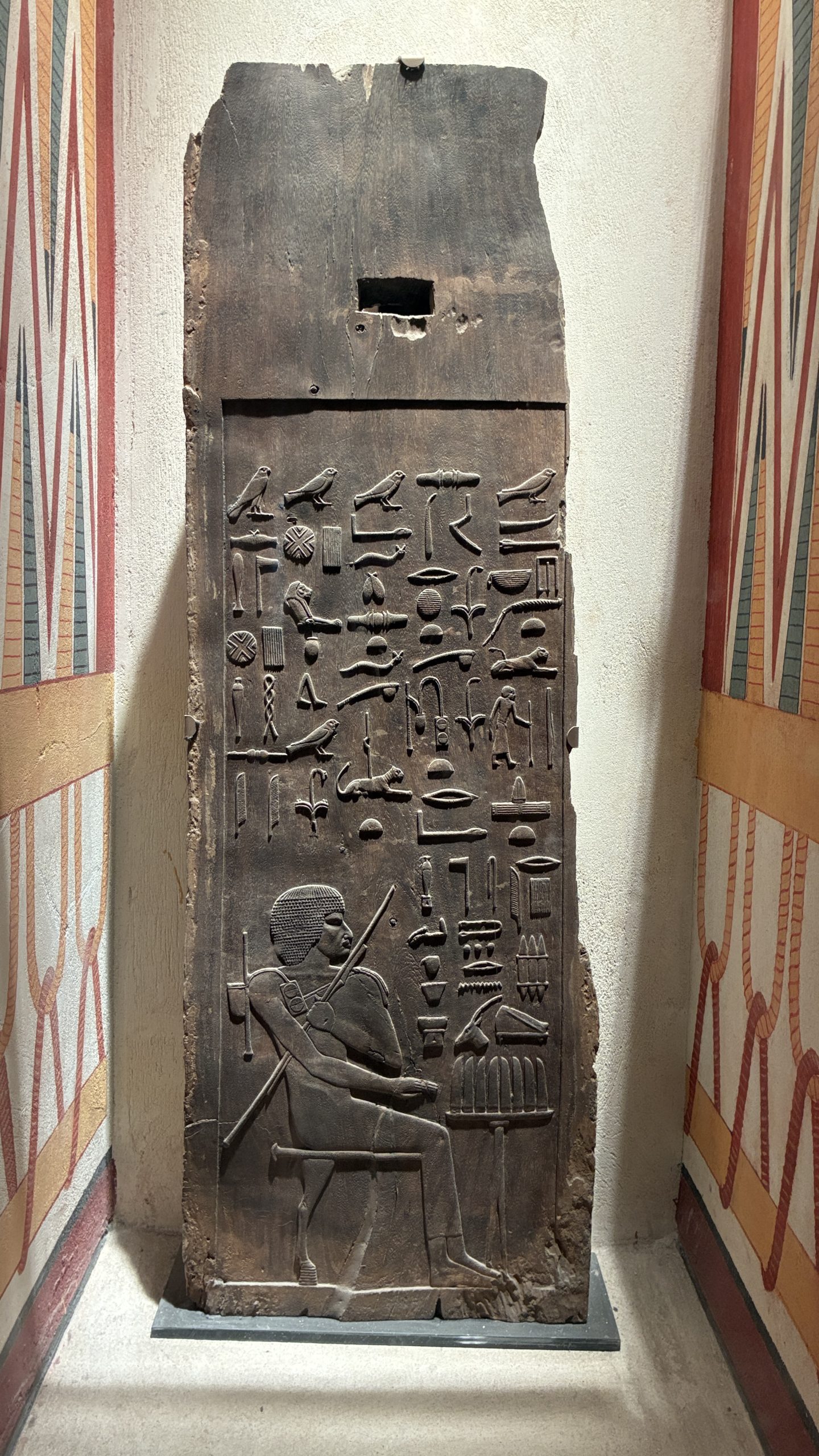
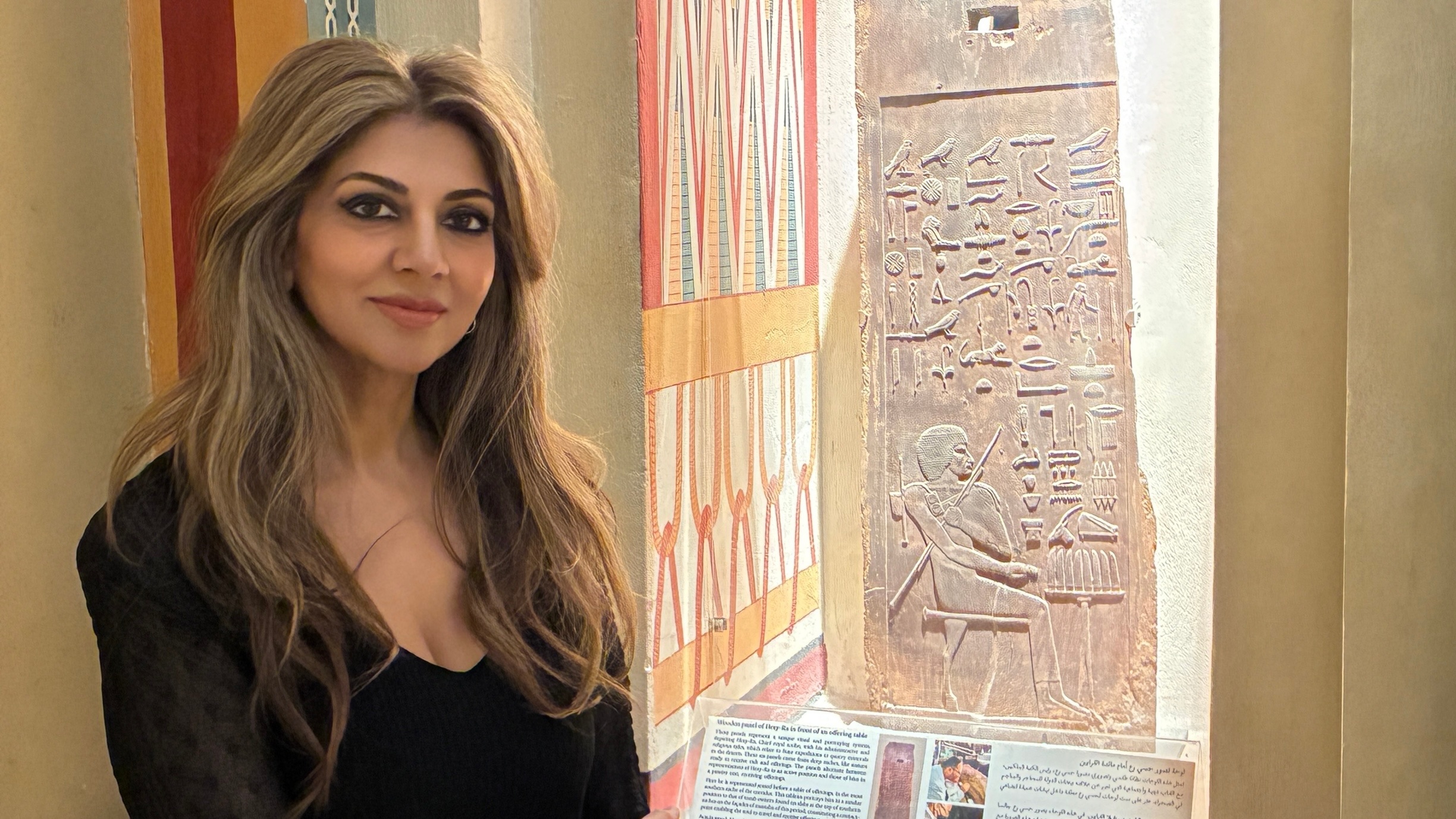
The location of the tomb had not been recorded in earlier publications, but it was remembered by Osman Duqmaq, a veteran Egyptian workman who had participated in Mariette’s excavations. Guided by his recollection, Quibel located a brick mound that matched the description. Clearing revealed a long corridor with niches that had once held the famous wooden panels discovered by Mariette. The niches were plastered and painted with geometric designs in muted colours.
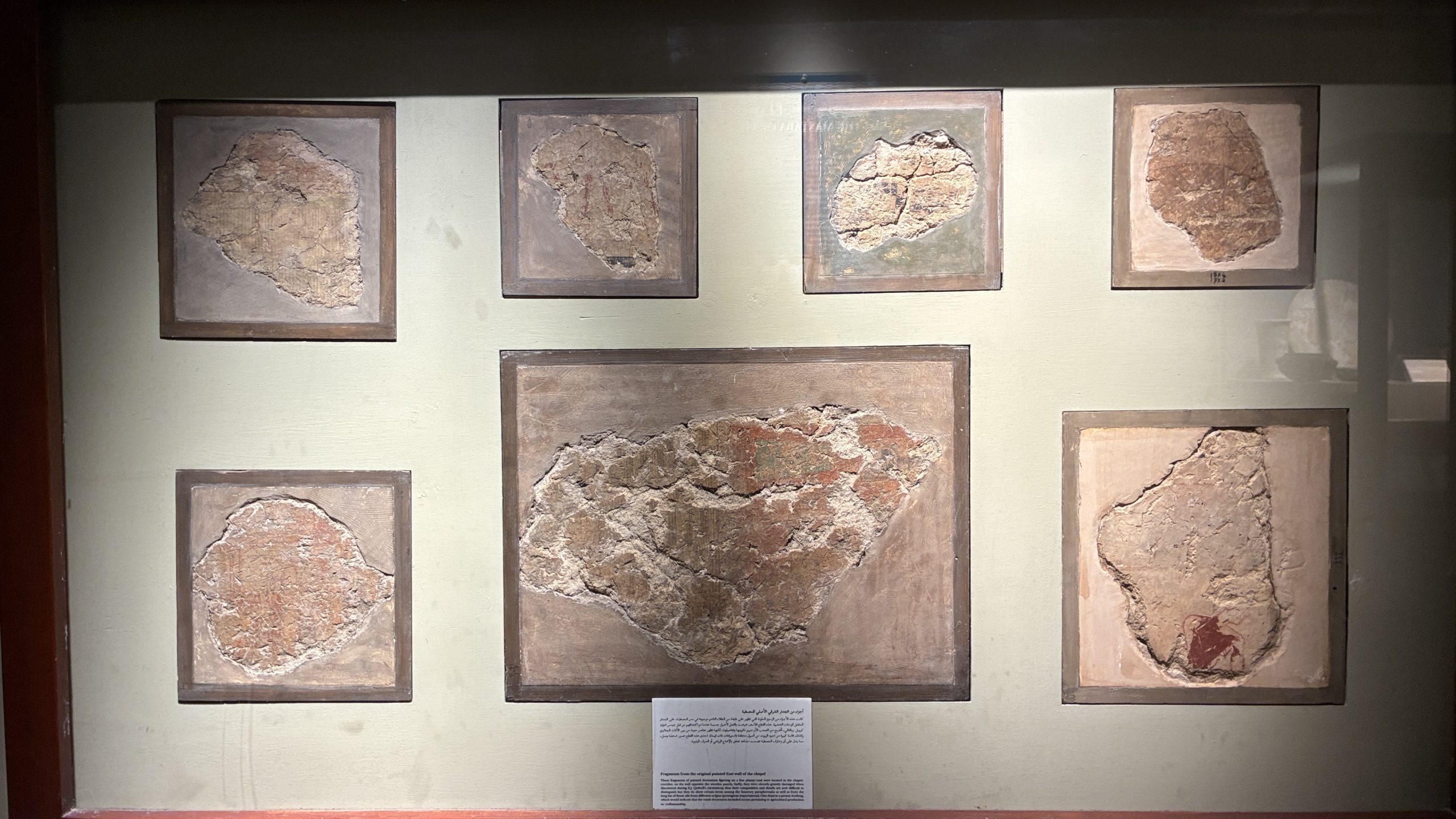
The opposite wall preserved a unique set of paintings that resembled framed images on a matting background. These scenes contained no human or animal figures and had not been documented before. Their fragile condition required careful protection while drawings and colour copies were made.
During the winter, the shaft and burial chambers were cleared. Despite the tomb being deep and repeatedly robbed. fragments of stone vessels were recovered, along with a bone dagger handle inscribed with Hesy-Ra’s name. Two fragments of a clay seal impression were found in the final baskets of debris. These preserved the name of King Netjerikhet (Djoser) of the Third Dynasty.
References
Quibell, J. E. Excavations at Saqqara (1911–12): The Tomb of Hesy. Service des Antiquités de l’Égypte. Cairo: Imprimerie de l’Institut Français d’Archéologie Orientale, 1913.
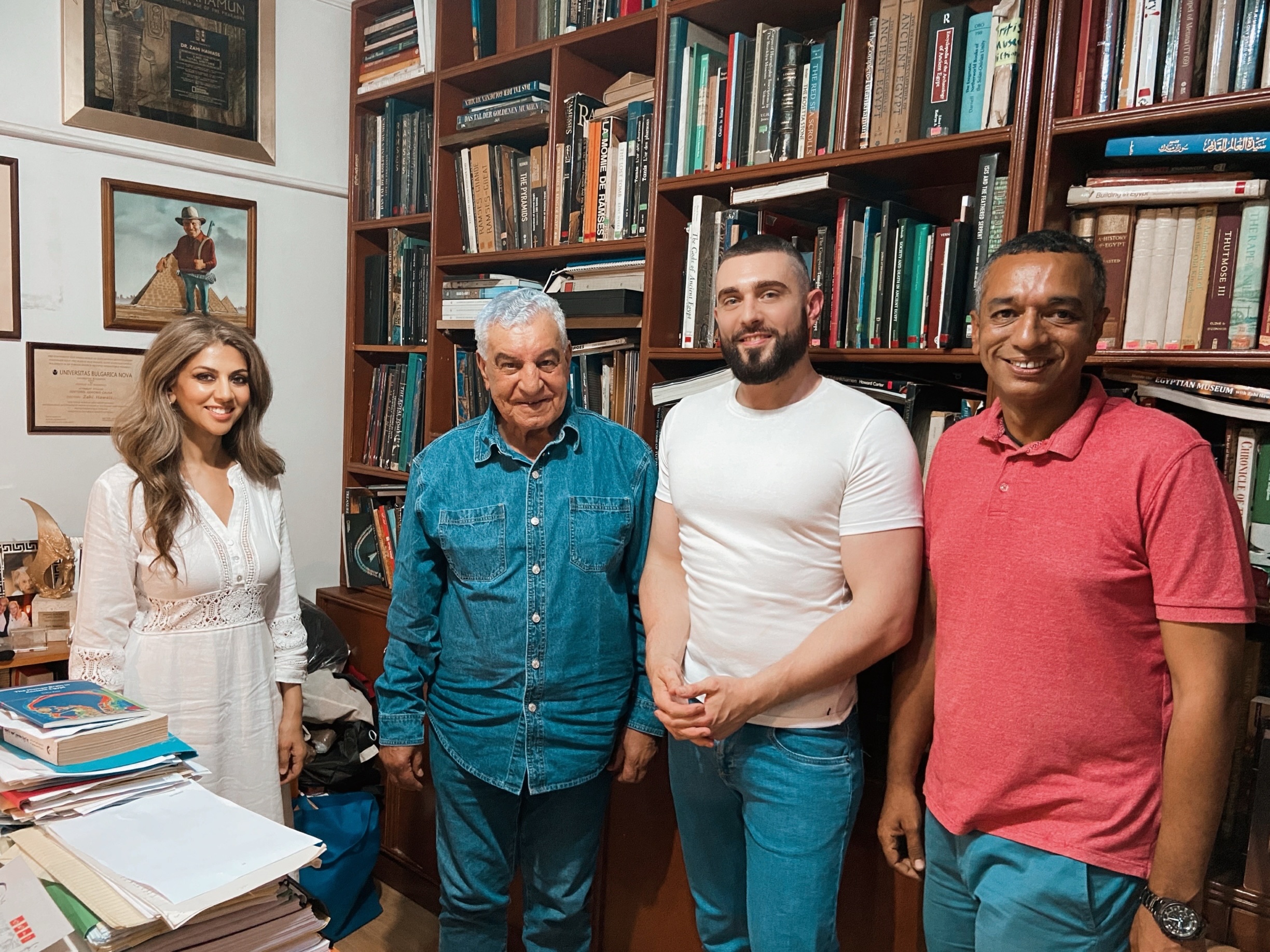
It was so lovely to get together in Cairo with Dr Hawass, Curtis and Lamey.
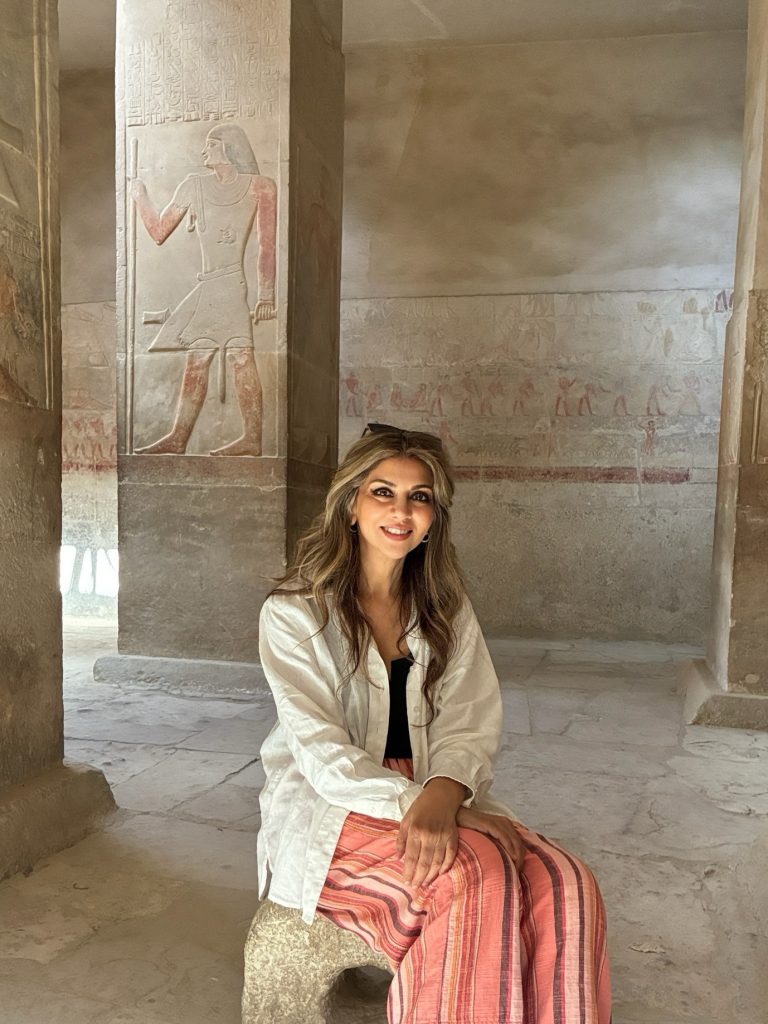
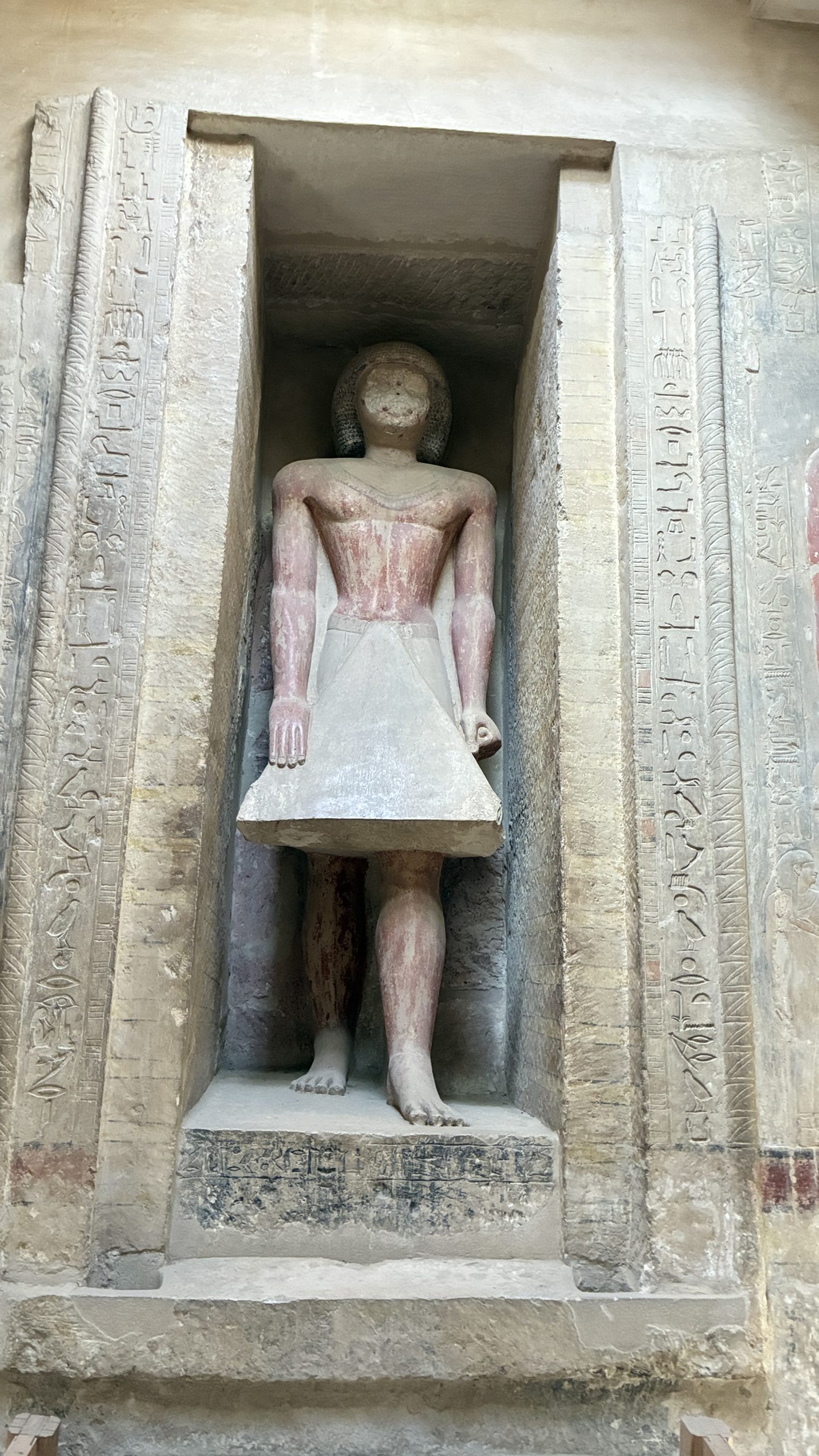
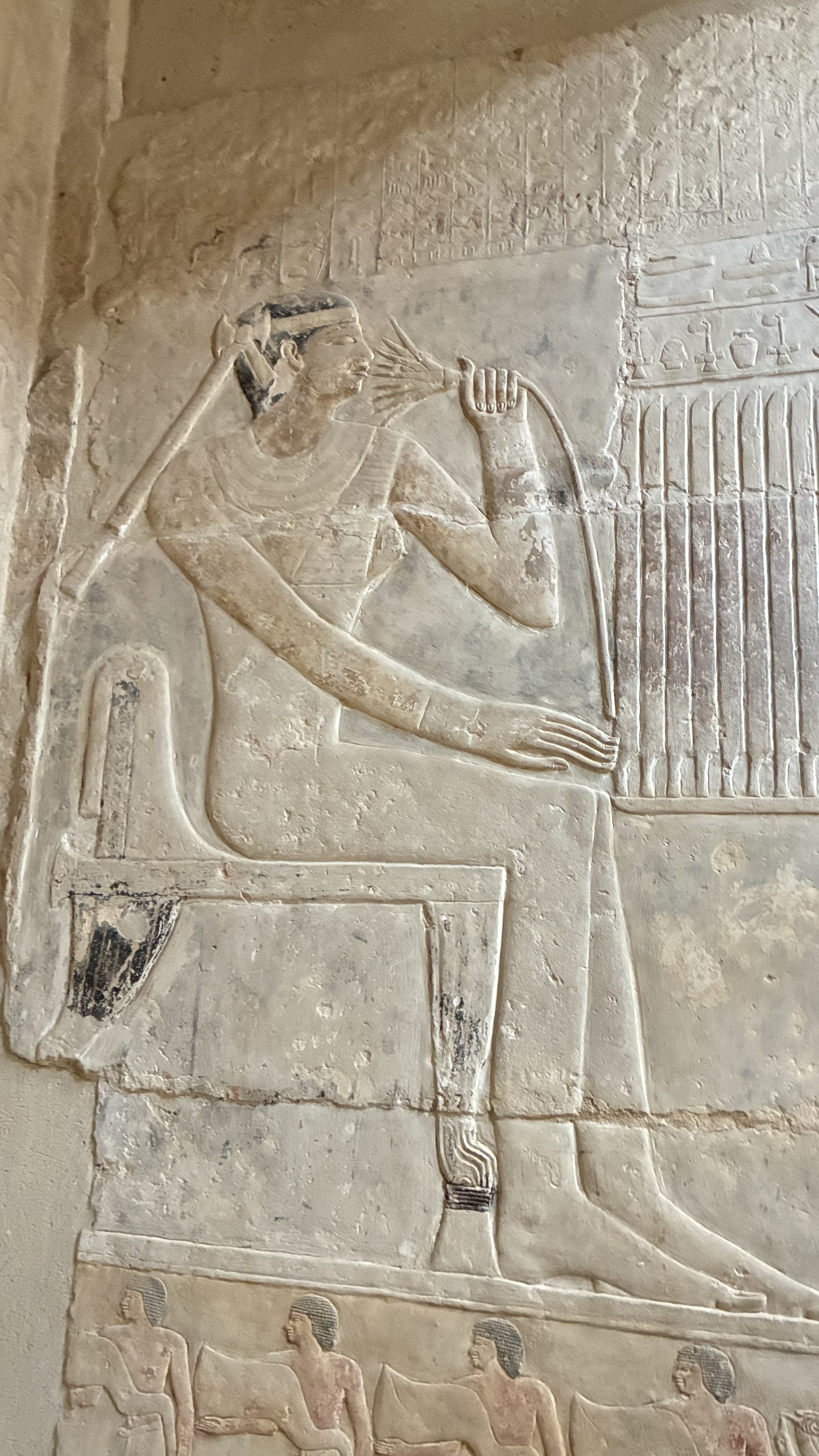
Stepping into the Mastaba of Mereruka at Saqqara feels less like entering a tomb and more like walking into a living archive of the 6th Dynasty. For anyone interested in the relationship between environment, labour, and the human body, Mereruka’s monument is exceptionally rich. The complex contains over thirty chambers, with roughly eighteen decorated rooms, and each one contributes to a visual dataset of daily activity, resource management, and social identity.
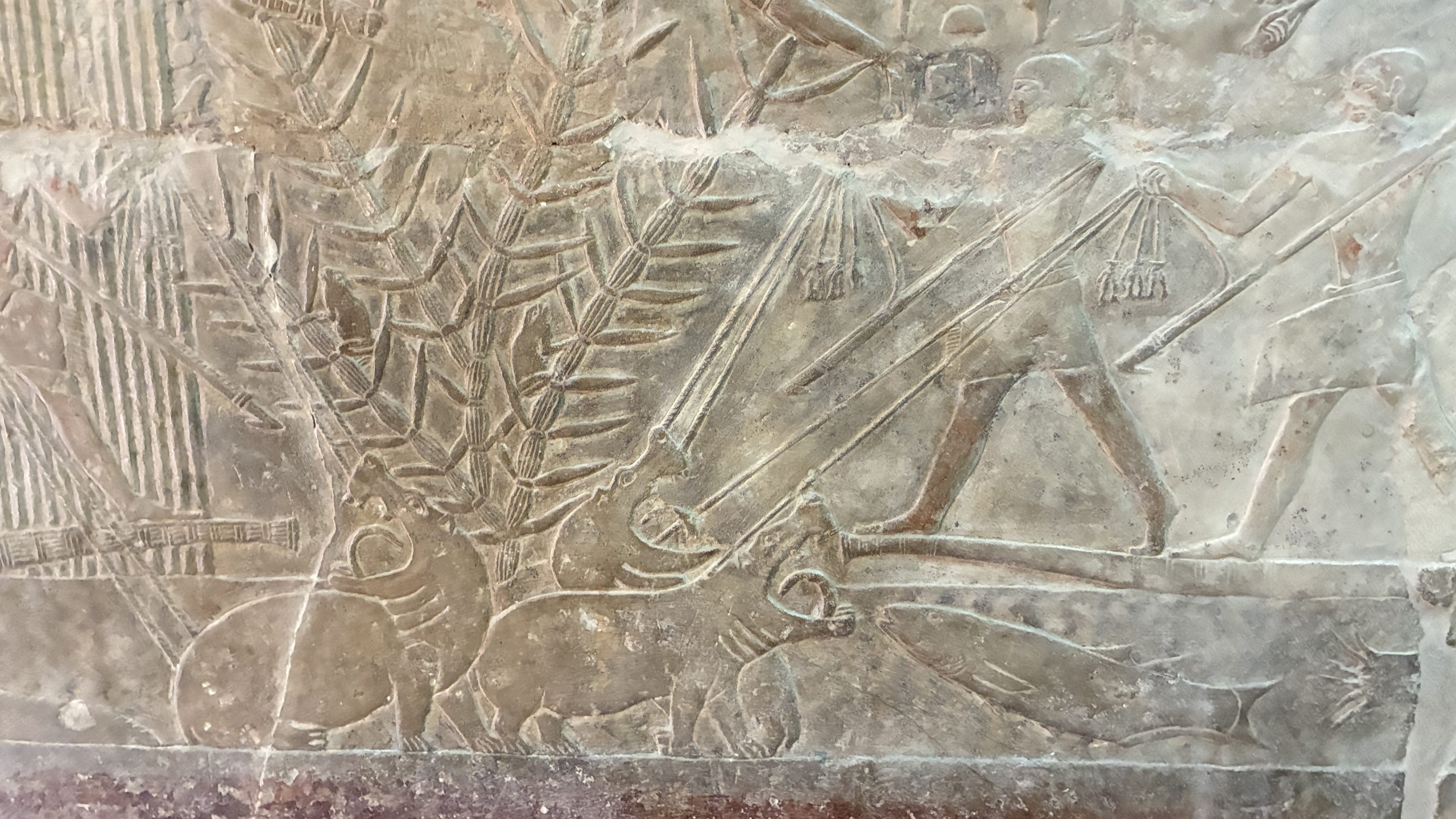
Diet and the Marshlands
The reliefs provide a detailed look at the Old Kingdom food economy. Scenes of animal management, including the force feeding of hyenas and geese, appear alongside papyrus harvesting, fishing, and grain processing. They illustrate the labour systems and environmental conditions that shaped the nutritional landscape of the period.
Seshseshet Waatetkhethor
A dedicated suite of rooms belongs to Mereruka’s wife, Princess Seshseshet Waatetkhethor, daughter of King Teti. Her presence confirms the political and familial link between the vizierate and the royal household. The scenes in her chambers, which include music, cosmetics, pets, and domestic attendants, offer a rare gendered perspective on the lived environment of elite women in the late Old Kingdom.
Titles
Among Mereruka’s many titles, one is uniquely revealing. He held the title imy‑r geswy depet swnw per aa, which translates literally as overseer of the two sides of the boat of the doctors of the Great House. This title is rare and suggests responsibility for coordinating or supervising the royal medical corps, which was associated with the palace and its ritual and practical care.
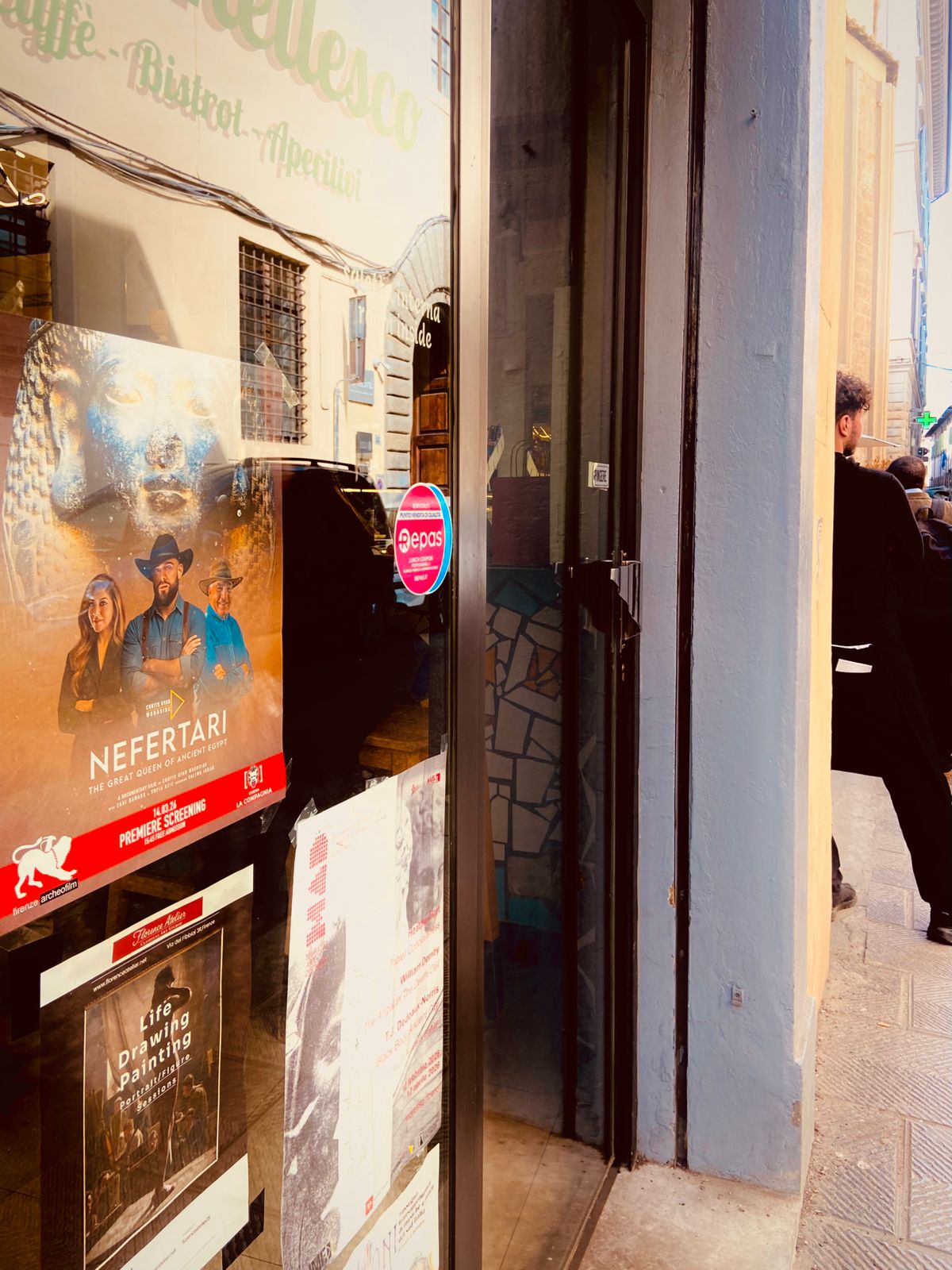
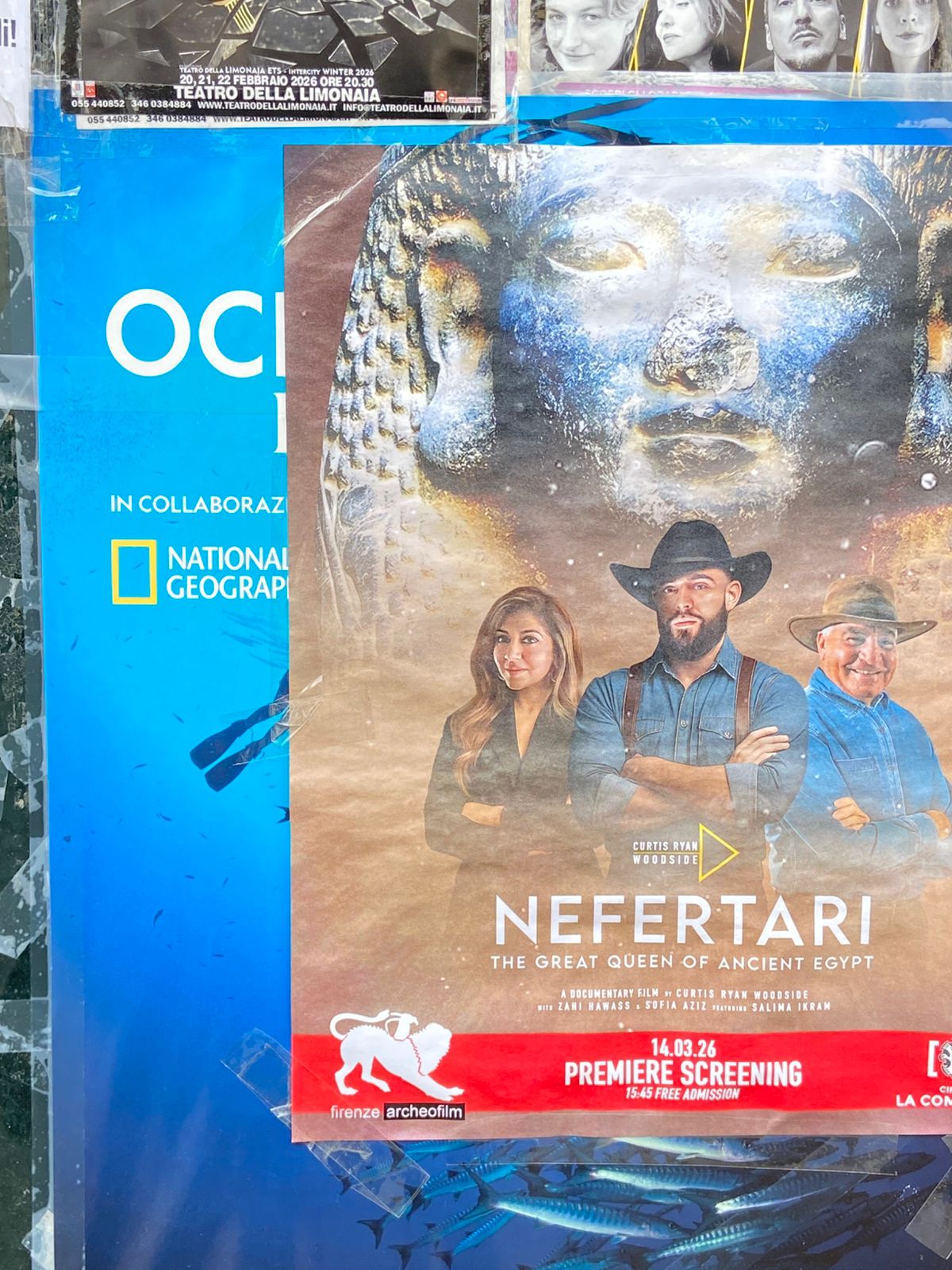
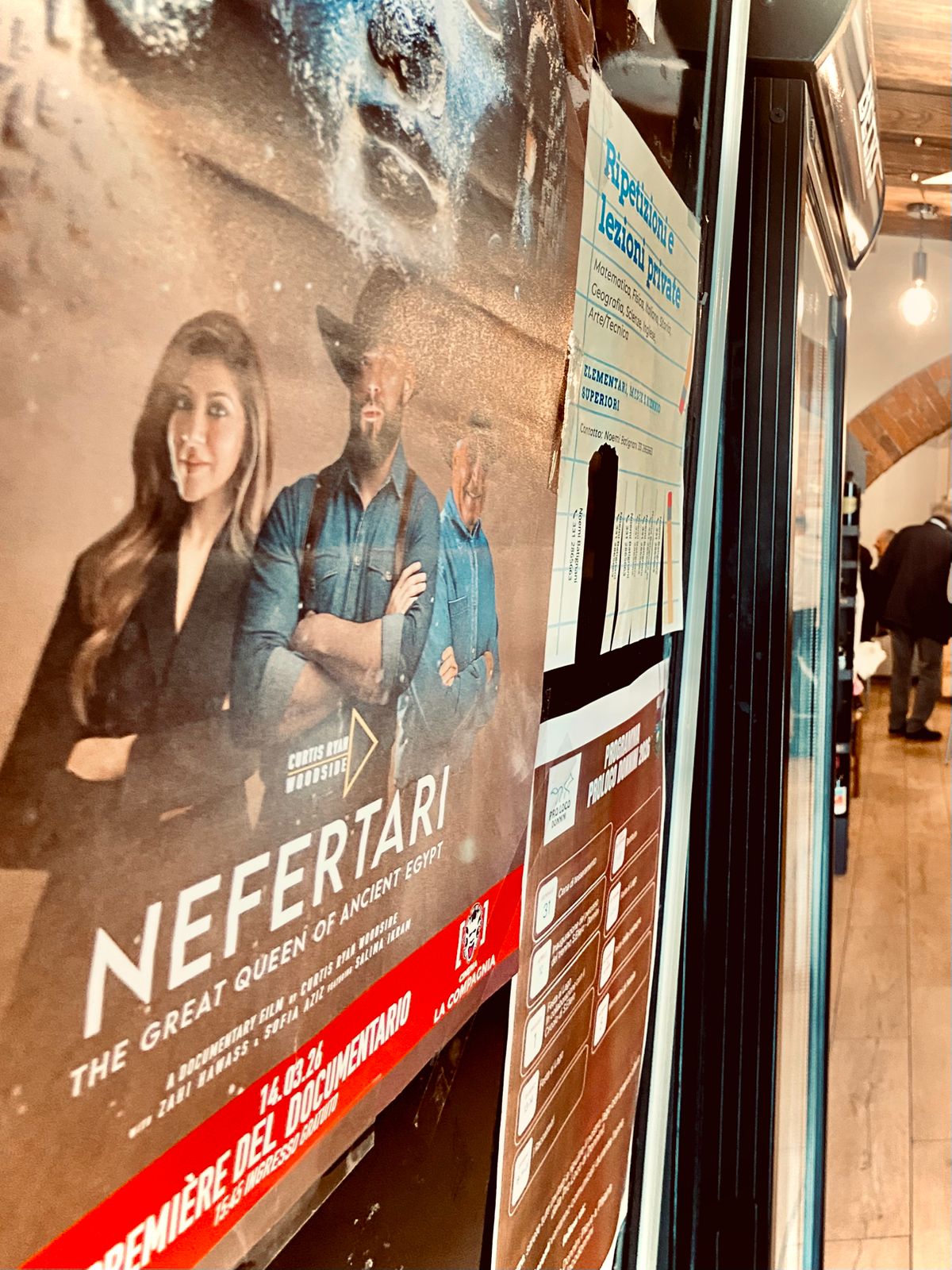
The Nefertari documentary premiered at the Firenze Archaeological Film Festival, and although I couldn’t attend, I’m grateful to producer Curtis Ryan Woodside for sharing a moment from the event. This project remains deeply meaningful to me, and it’s an honour to see it recognised.
Firenze has long been one of the cities I love: its ambience, its colours, the quiet poetry of its streets. There’s a depth to its beauty that always stays with me, and this year, its timeless atmosphere provides the perfect backdrop to step back even further into the world of ancient Egypt.
On 14 March 2026, the city will welcome the premiere of Nefertari: The Great Queen of Ancient Egypt, at the Firenze Archaeological Film Festival. This new documentary directed and produced by my friend Curtis Ryan Woodside brings Nefertari’s world to life with a fresh, detailed perspective exploring her political influence, her remarkable education, and the luminous artistry of her tomb.
The documentary features expert insight from Dr Zahi Hawass, one of the world’s leading Egyptologists, and from me, Sofia Aziz, as we explore not only Nefertari’s legacy but also what we can understand about her age at death and her health. Together, these perspectives offer a rich, layered portrait of Ramses ll’s most beloved queen.
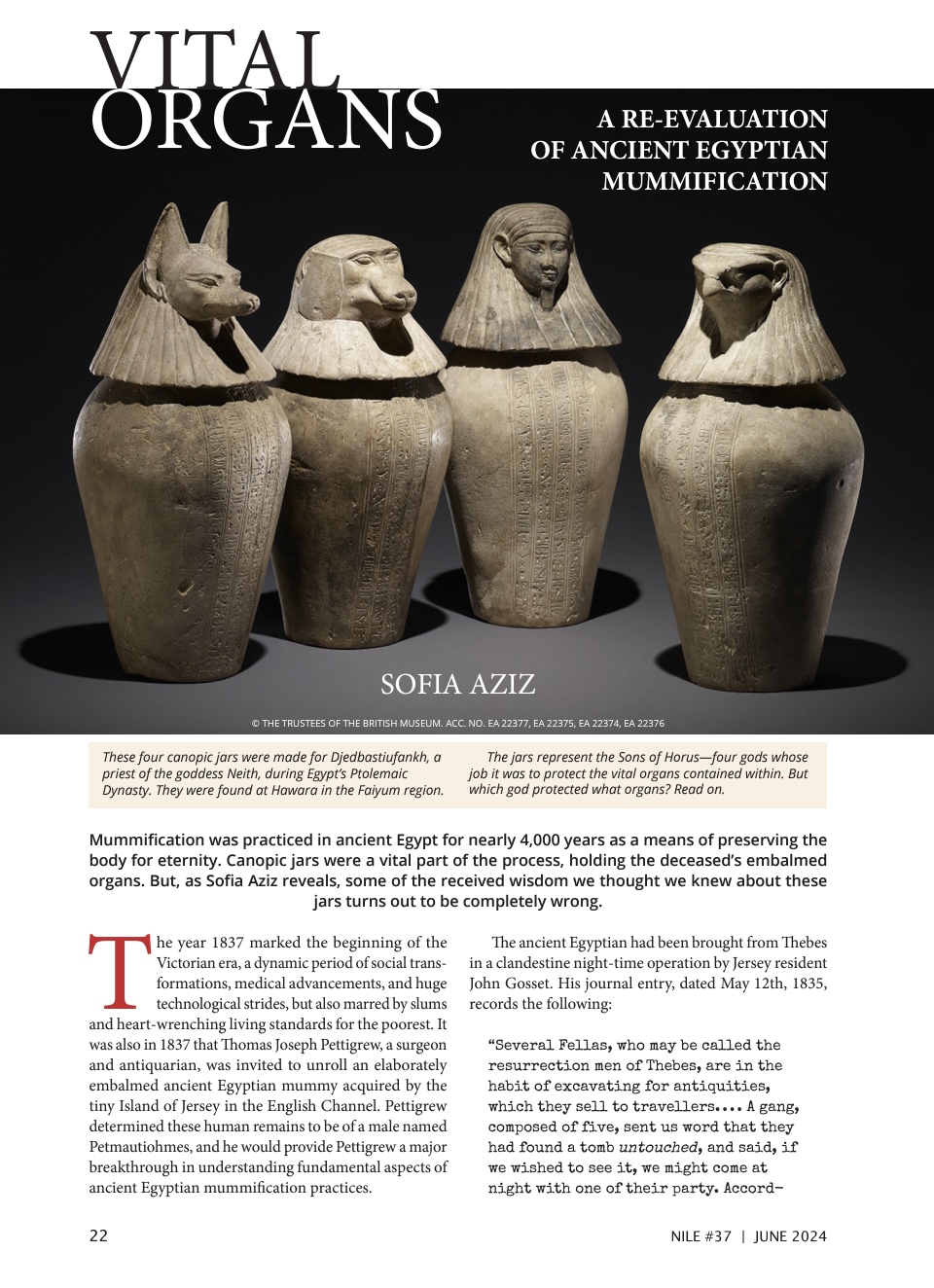
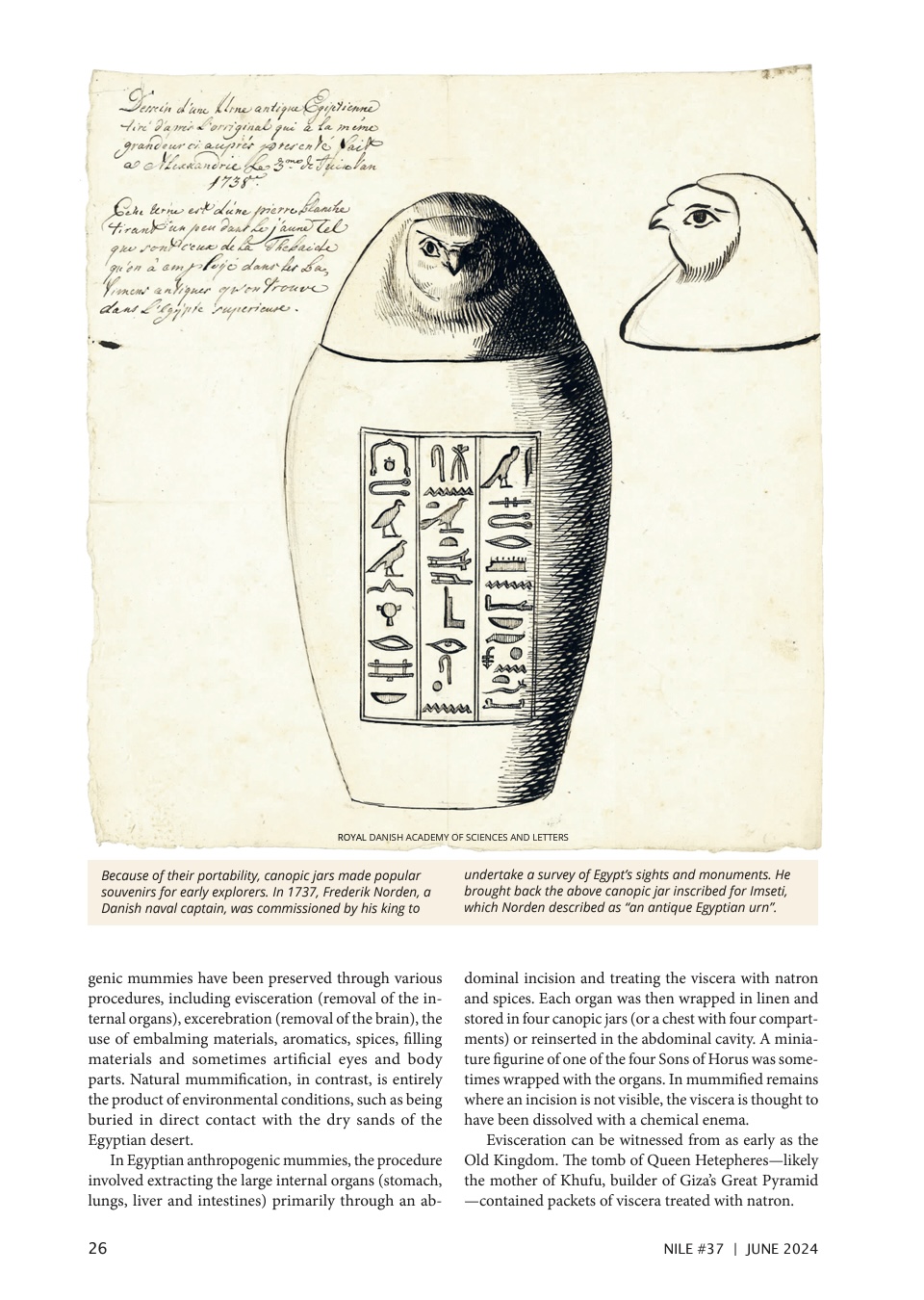
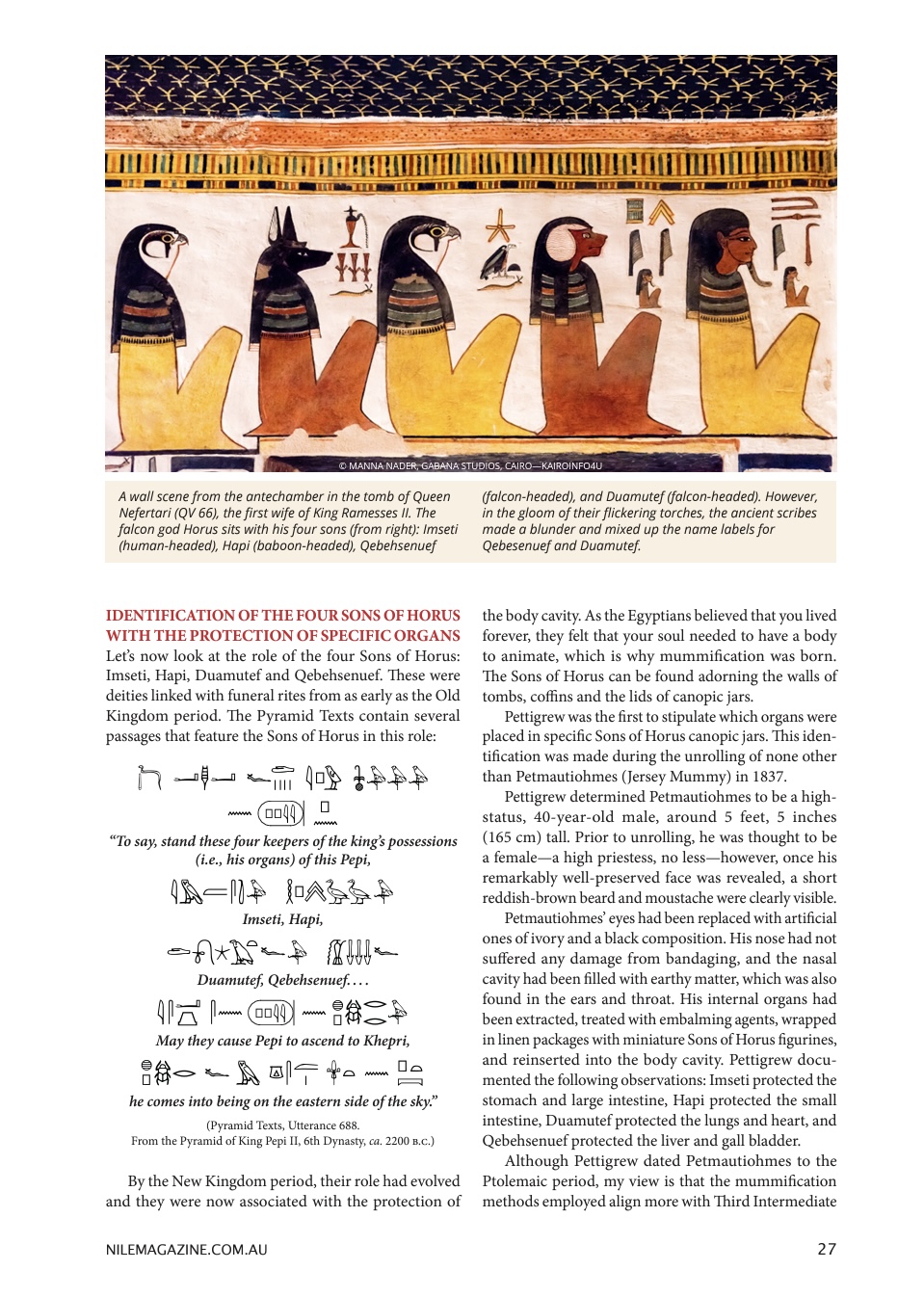
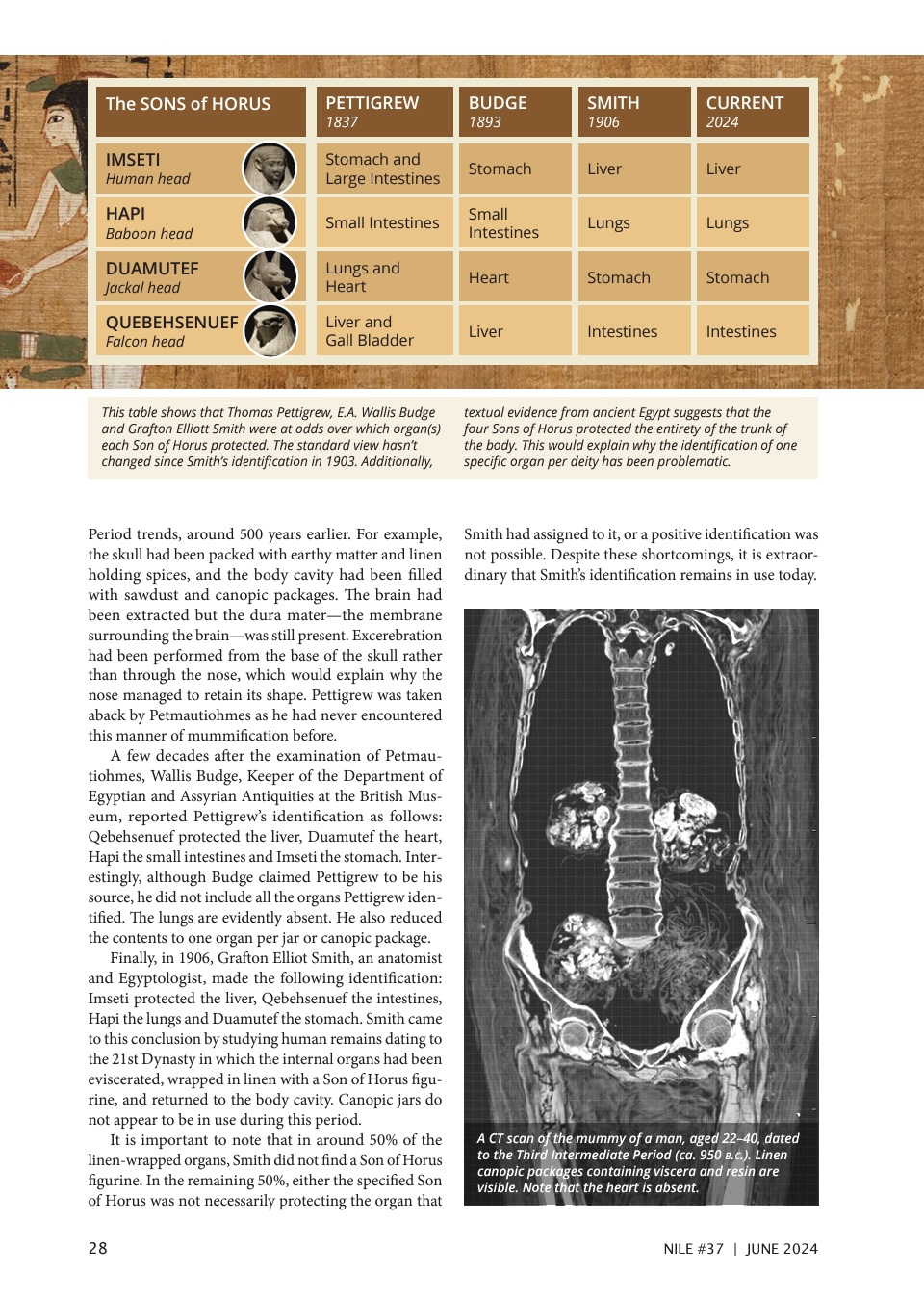
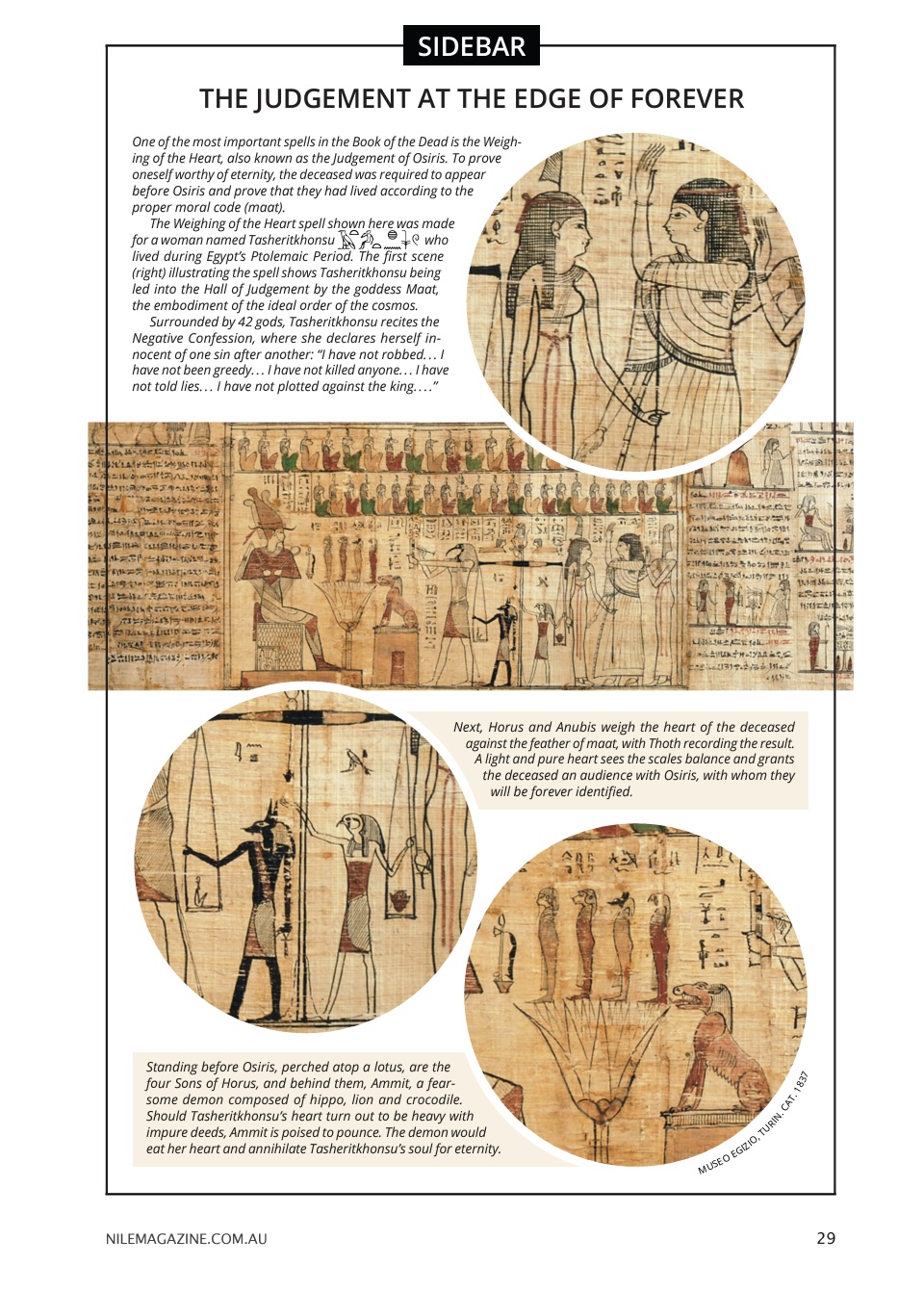
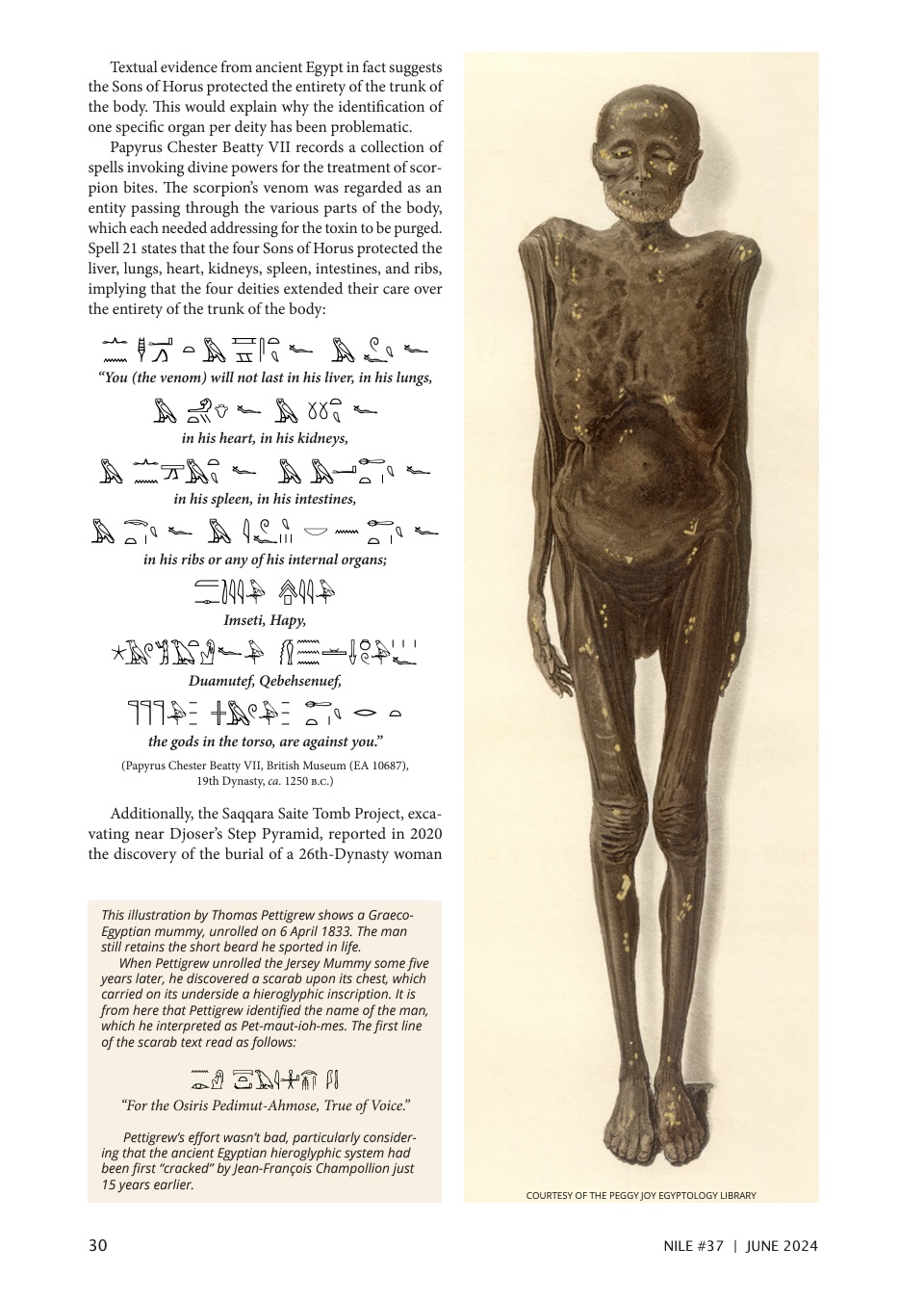
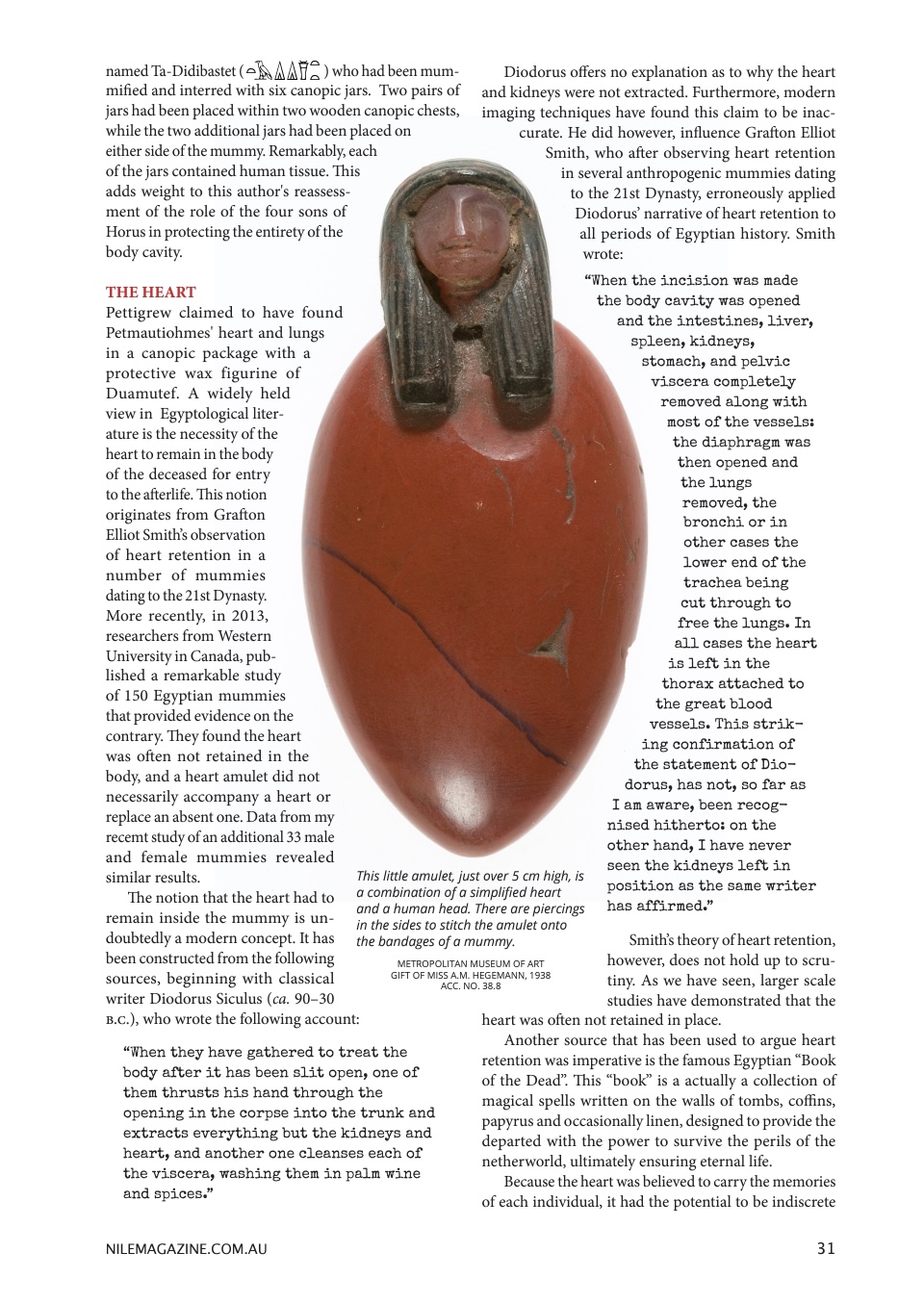
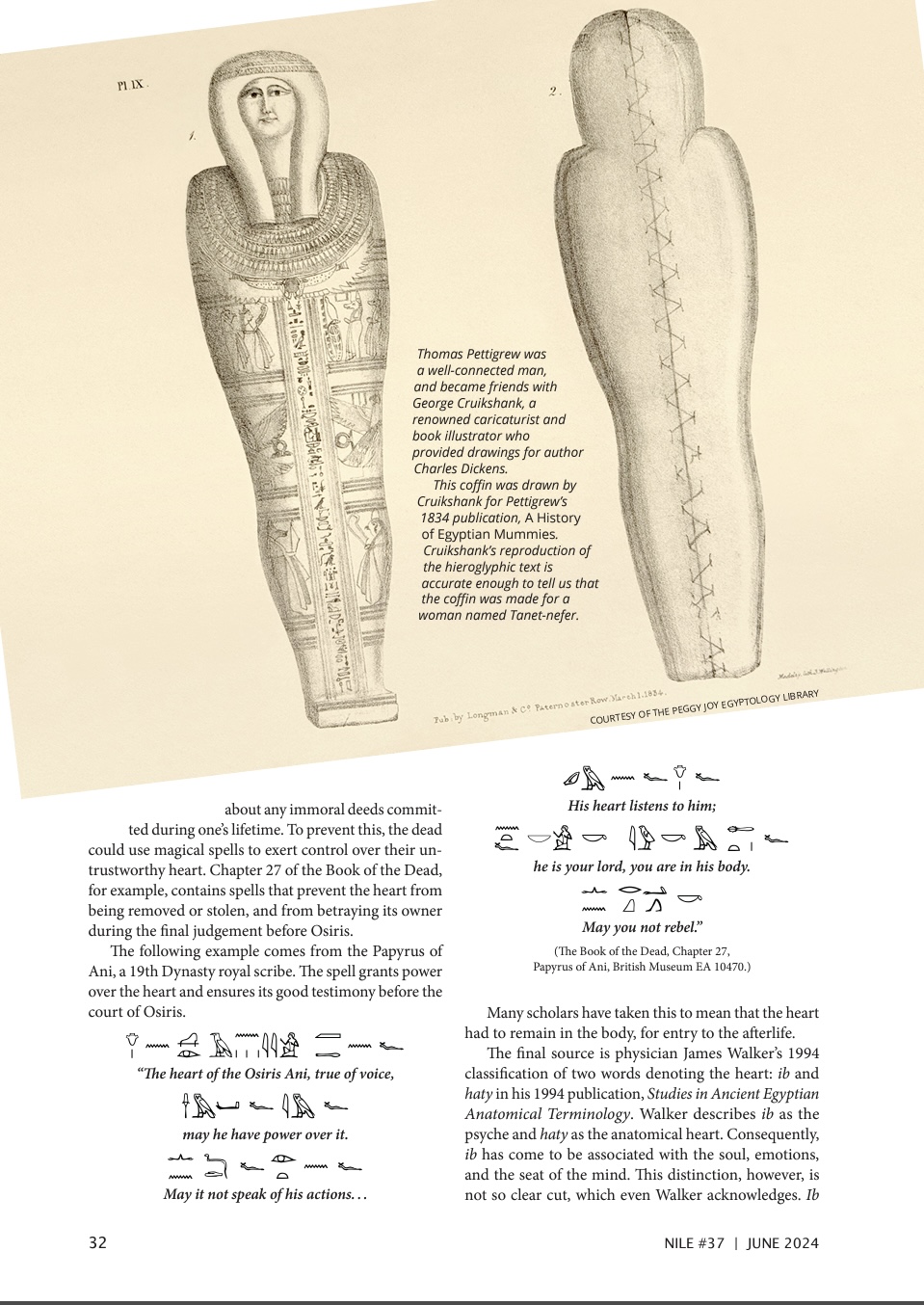
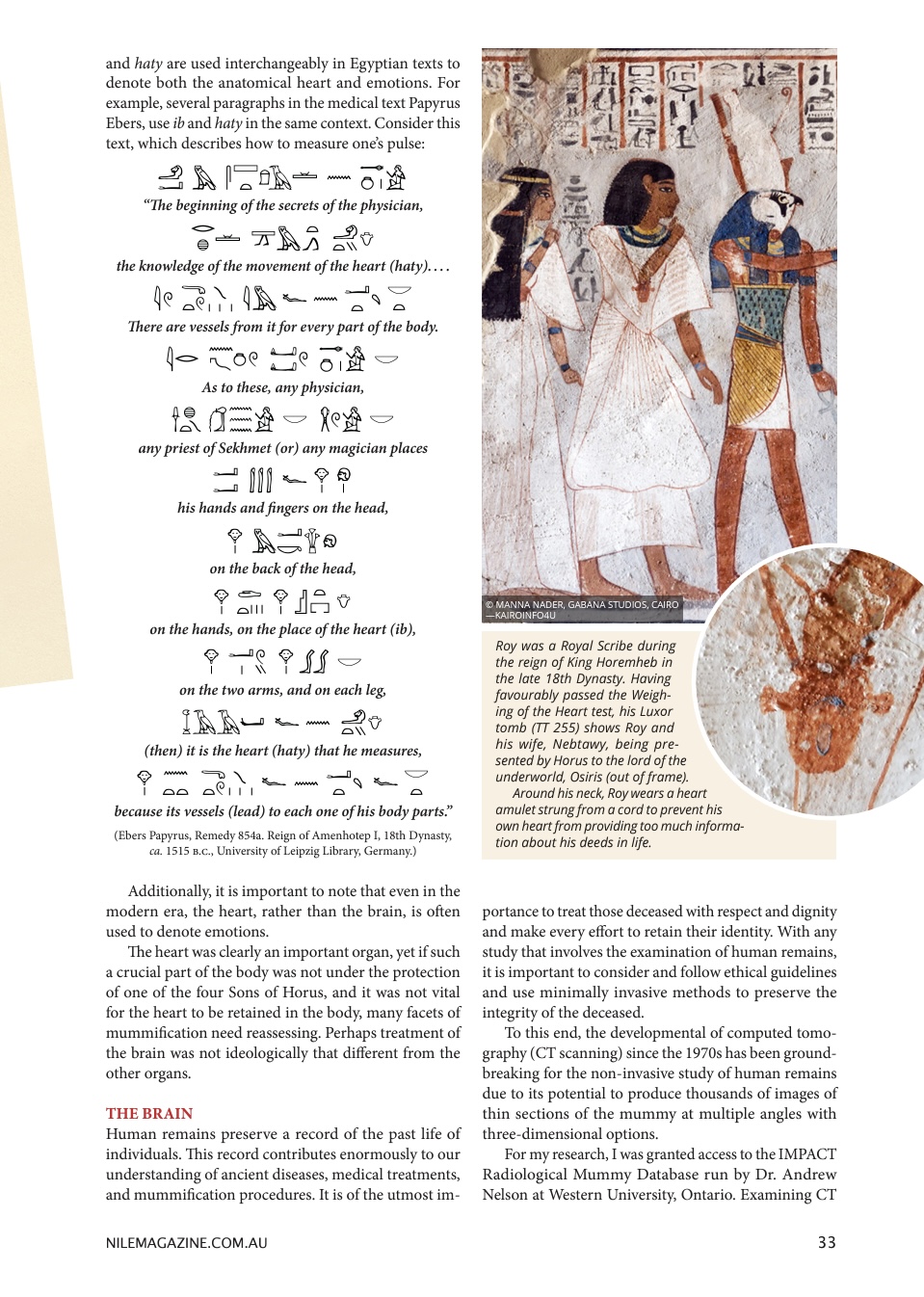
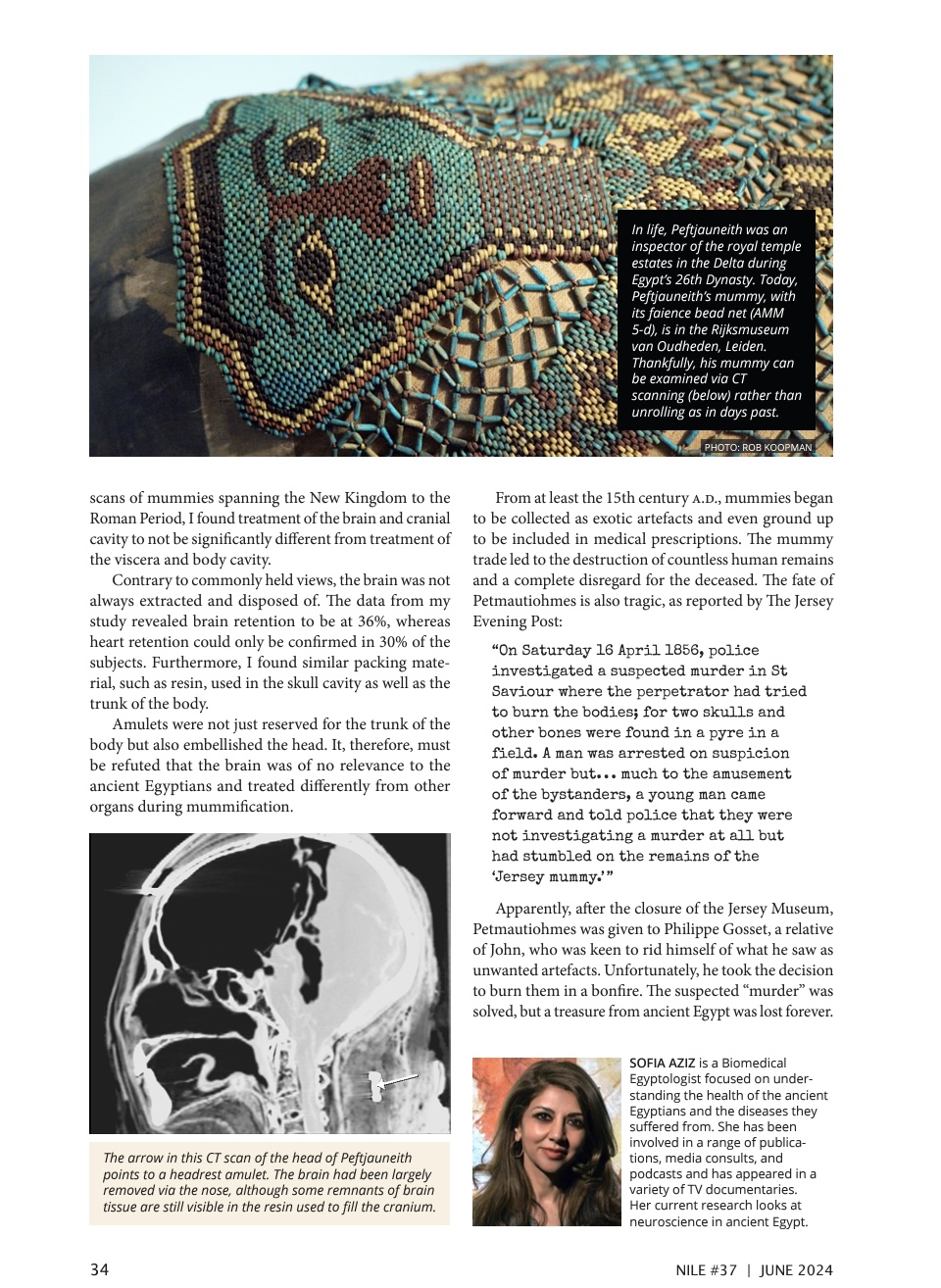
This article presents my research into ancient Egyptian mummification, challenging long-standing assumptions about canopic jars and the role of the Sons of Horus. By re-examining nineteenth-century interpretations alongside textual evidence and modern CT imaging, I argue that these deities protected the entire body cavity rather than specific organs. The findings call for a reassessment of how the ancient Egyptians understood the body, preservation, and the afterlife. A huge thank you to Nile Magazine.
I’m incredibly proud to share this 3-hour documentary film telling the full story of Female Pharaoh Hatshepsut like never before: from her family and rise to power to questions of gender, legacy, and death.
The film was created by my friend Curtis Ryan Woodside and I had the honour of co-producing alongside the esteemed Dr Zahi Hawass, Egyptian archaeologist, Egyptologist, and former Minister of Tourism and Antiquities. It also features insights from some of the world’s leading Egyptologists, including Dr Salima Ikram, the renowned professor and internationally respected scholar, alongside Dr Colleen Darnell, acclaimed field archaeologist and epigrapher; Elizabeth Norena, distinguished Egyptologist and researcher; Kayleigh During, specialist in ancient Egyptian material culture; Ahmed Lamey Drwish, respected Egyptian archaeologist; and Sarah Janes, expert researcher and historian.